Understanding the psychological effects of gambling what drives the desire to win
The Thrill of Risk and Uncertainty
Gambling inherently involves risk, and the thrill associated with uncertainty is a significant factor that drives individuals to engage in this activity. The unpredictability of outcomes creates a unique sense of excitement, often described as an adrenaline rush. Players find themselves attracted to the highs and lows that accompany winning or losing, which can stimulate the brain’s reward centers, triggering dopamine release. For those interested in online gaming, https://malinacasino-me.com/en/ offers a diverse selection of options. This chemical reaction reinforces the behavior, making it addictive for many.

The excitement of potentially winning a large sum of money can overshadow the inherent risks involved in gambling. This phenomenon is often referred to as “gambling myopia,” where individuals focus on short-term rewards while ignoring long-term consequences. Many players believe that they can beat the odds, leading them to take more significant risks. This mindset can create a vicious cycle where the desire for a win perpetuates further gambling.
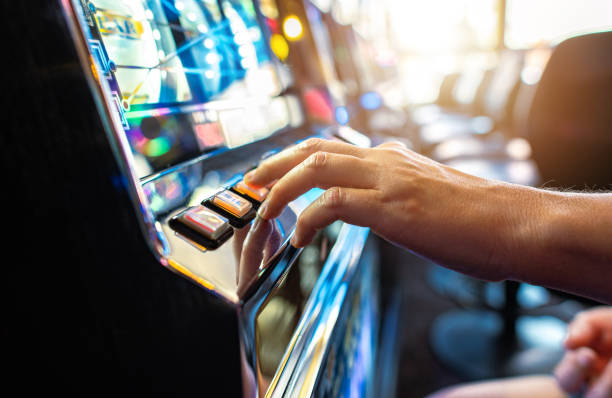
Additionally, the environment of casinos and online platforms, with their flashing lights and engaging sounds, enhances the thrill factor. These sensory stimuli are carefully designed to keep players engaged, making it easy to lose track of time and money. As a result, the combination of risk, excitement, and environmental cues fosters a deeper psychological connection to gambling, driving many to return again and again.
The Role of Cognitive Biases
Cognitive biases play a crucial role in how individuals perceive gambling outcomes. For instance, the “illusion of control” leads players to believe they can influence the results of games like slots or roulette, even when these are entirely based on chance. This false sense of power can intensify the desire to participate in gambling activities, as players feel they possess a skill that may give them an edge.
Another prevalent cognitive bias is the “gambler’s fallacy,” where individuals mistakenly believe that past events influence future probabilities. For example, if a particular number hasn’t come up in a while, a player may feel it is due to hit soon. This misconception can drive players to continue gambling in hopes of capitalizing on what they perceive as favorable odds. Such biases not only fuel gambling behavior but also complicate the psychological landscape of gamblers.
These cognitive distortions can lead to a precarious relationship with gambling, where the thrill of winning becomes intertwined with unrealistic expectations. As players chase these perceived patterns, they can become entrenched in a cycle that makes it difficult to step back and assess their behavior critically. Understanding these biases is essential for acknowledging the psychological effects of gambling and mitigating its risks.
Emotional Drivers Behind Gambling
Emotions significantly influence gambling behavior, with many players using gambling as an escape from stress, anxiety, or depression. The temporary relief that comes from engaging in gambling activities can create a sense of euphoria that players may seek to replicate. However, this emotional dependence can lead to compulsive gambling, as individuals rely on the highs from winning to counteract negative feelings.
Moreover, the social aspect of gambling cannot be overlooked. Many people gamble in social settings, reinforcing feelings of belonging and camaraderie. The interaction with peers, combined with the excitement of the game, can lead to a powerful emotional experience that encourages continued participation. However, this can also lead to peer pressure, where individuals feel compelled to gamble to maintain social ties.
In summary, emotional drivers are complex and multifaceted. They intertwine with psychological factors to create a compelling narrative that draws people into gambling. Recognizing these emotional triggers can help individuals make informed decisions about their gambling behavior and seek healthier outlets for managing emotions.
The Impact of Online vs. Offline Gambling
The rise of online gambling platforms has fundamentally changed the landscape of gambling, affecting how individuals engage with this activity. Unlike traditional casinos, which offer a social and immersive environment, online gambling provides convenience and anonymity. This shift can diminish the psychological barriers associated with betting, making it easier for people to gamble without facing immediate social scrutiny. Platforms like Malina casino exemplify this transition, providing a digital space for players.
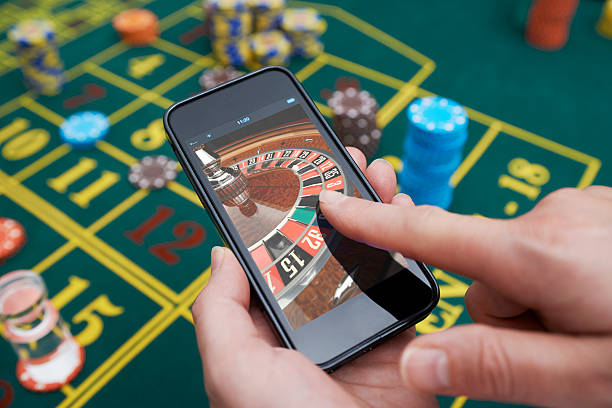
Online gambling also allows for continuous engagement, with players able to access their favorite games 24/7. This ease of access can lead to increased gambling frequency, as individuals may find themselves gambling in situations where they would not typically do so, such as at home or on their phones. The lack of physical interaction may also intensify feelings of isolation, as individuals engage with games primarily for the thrill of winning rather than social engagement.
Ultimately, both online and offline gambling have distinct psychological effects that influence player behavior. While traditional casinos may foster social connections, online platforms can lead to compulsive gambling due to their accessibility and lack of accountability. Understanding these differences is crucial for individuals to navigate their gambling habits and seek help when necessary.

Responsible Gaming at Malina Casino
Malina Casino is committed to fostering a safe and responsible gambling environment for its players. As an established online platform, it offers a range of games while emphasizing player safety and transparency. The casino adheres to strict regulatory standards, ensuring that all games are fair and secure, providing players with peace of mind while they engage in their favorite activities.
In addition to promoting safe practices, Malina Casino offers resources for players who may be struggling with their gambling habits. With features designed to limit deposits and set playtime restrictions, players can maintain control over their gaming experience. Educational materials about responsible gambling practices are also readily available, helping to create awareness about the psychological aspects of gambling.
In conclusion, Malina Casino stands as a responsible choice for those interested in online gambling. With a user-friendly interface, comprehensive support, and a strong commitment to player safety, it provides a platform where individuals can enjoy their gaming experience while being mindful of the potential psychological effects of gambling. This dedication to responsible gaming is crucial in a landscape that can sometimes lead to compulsive behaviors and negative consequences.